
Switch-Adapted Service Dog System
Assistive technology for greater independence.
Lead Human Factors Designer & Project Manager
Team: Cross-functional Human Factors Engineering x Occupational Therapy 3 member team
Completed: December 2025
Project Length: 3 months
Project Brief: Partnered with Ruff Translating, an organization specializing in inclusive service dog training , to design and build a switch-adapted e-collar control system for a client with tetraplegia. Working alongside Occupational Therapy students, we developed an accessible solution that enabled the client to independently operate their service dog’s training system while minimizing fatigue and improving usability across home and community environments.
Training Note: This system uses adjustable, low-level muscle stimulation as a training cue rather than a painful shock. During operation, the stimulation is minimal and intended to provide behavioral feedback, with a medium setting reserved only for emergency situations.
-
Will, a wheelchair user with tetraplegia, experienced significant fatigue and difficulty operating the small buttons on his service dog's e-collar remote. Existing commercial solutions either lacked the required functionality or failed to accommodate his accessibility needs. Our objective was to create an adaptive interface that allowed him to independently access all critical remote functions while remaining reliable, portable, and appropriate for daily use.
-
Research & Ideation
The team collaborated with Will and Ruff Translating to understand the physical and functional challenges of operating an e-collar remote with tetraplegia. Through user research and task analysis, we established design requirements focused on accessibility, independence, reliability, and reduced physical effort.
We evaluated several adaptation concepts—including enlarged buttons, lever mechanisms, mechanical adaptations, and external switch controls—before determining that a switch-adapted interface provided the most accessible and effective solution.
Prototyping
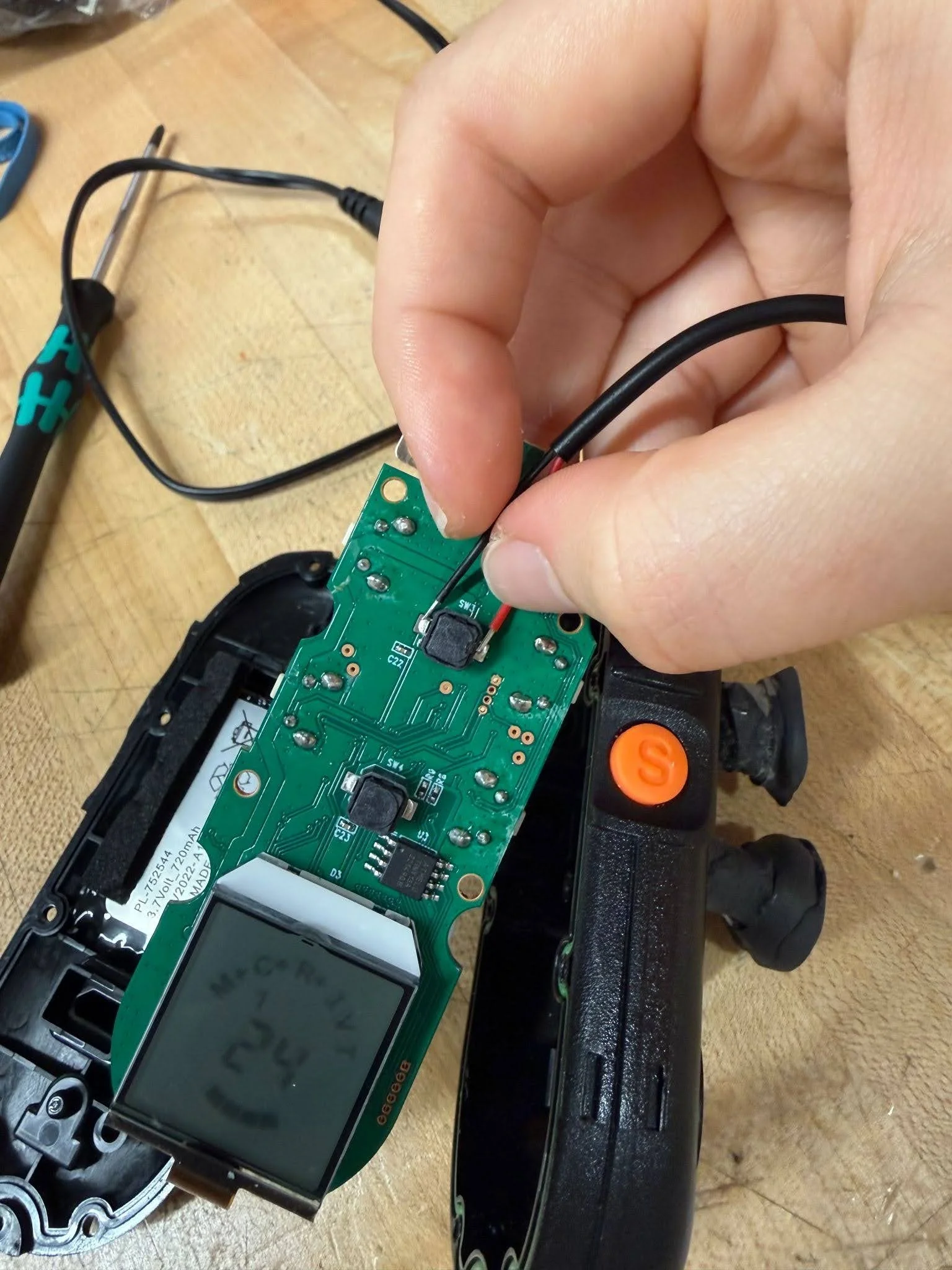
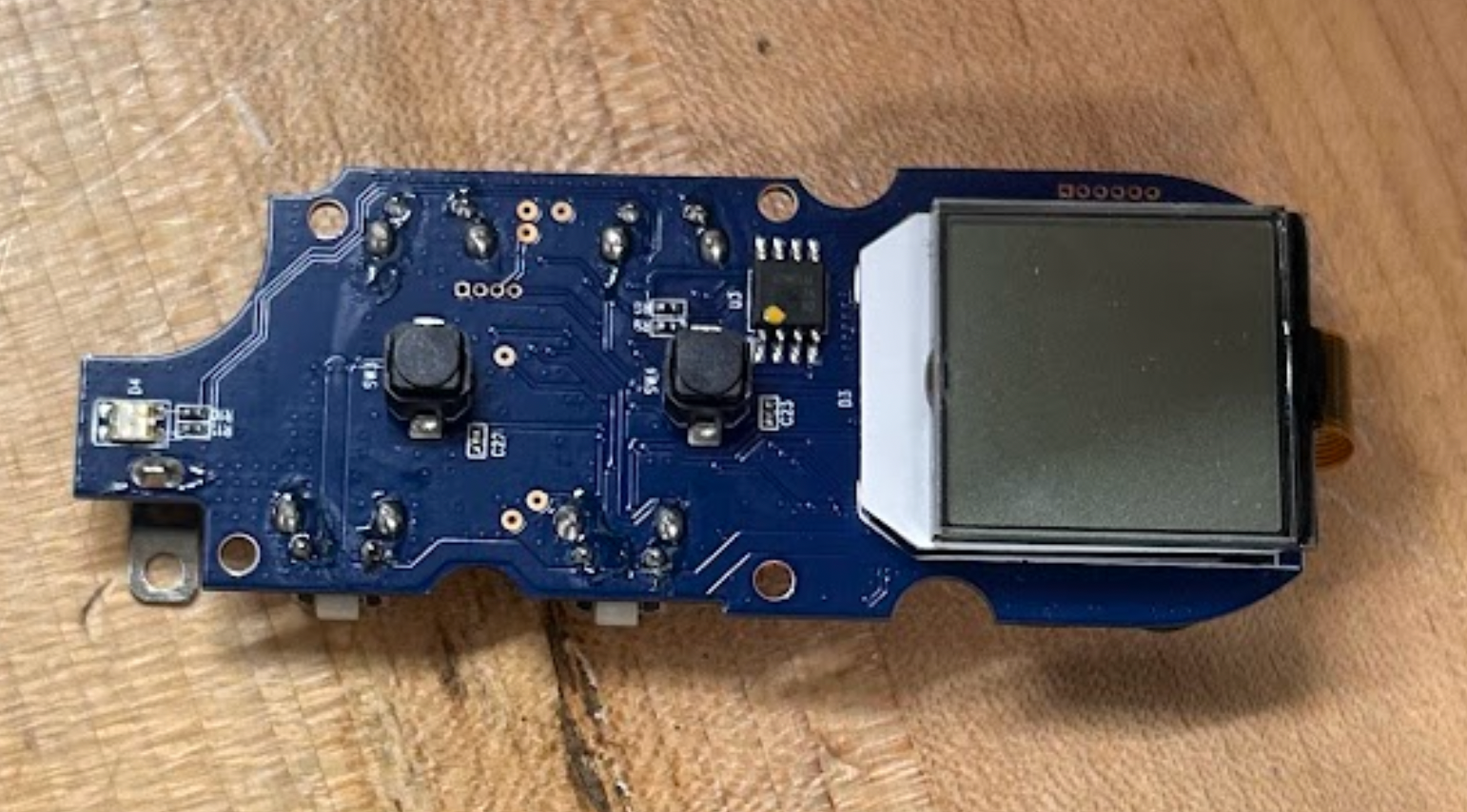
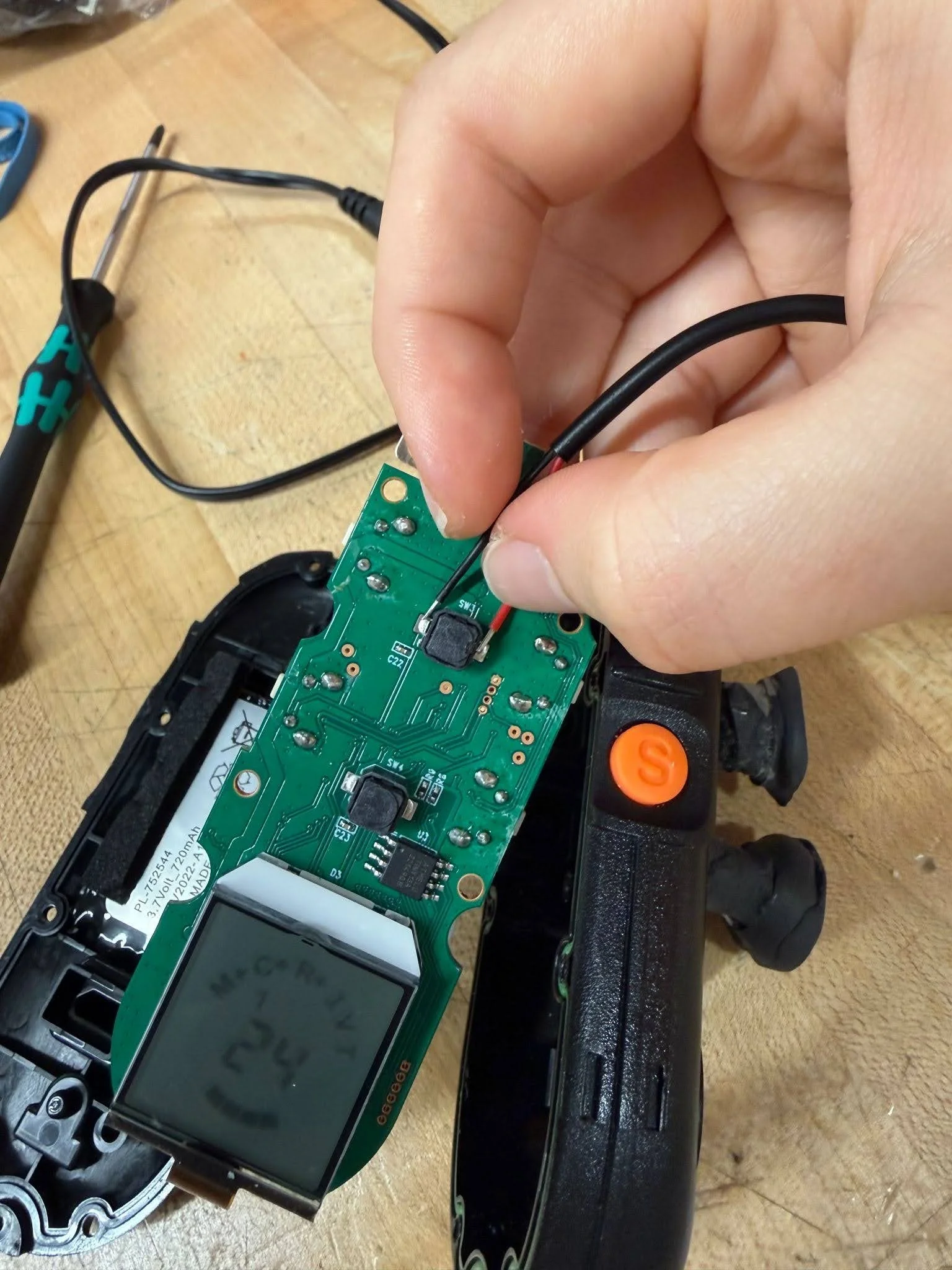
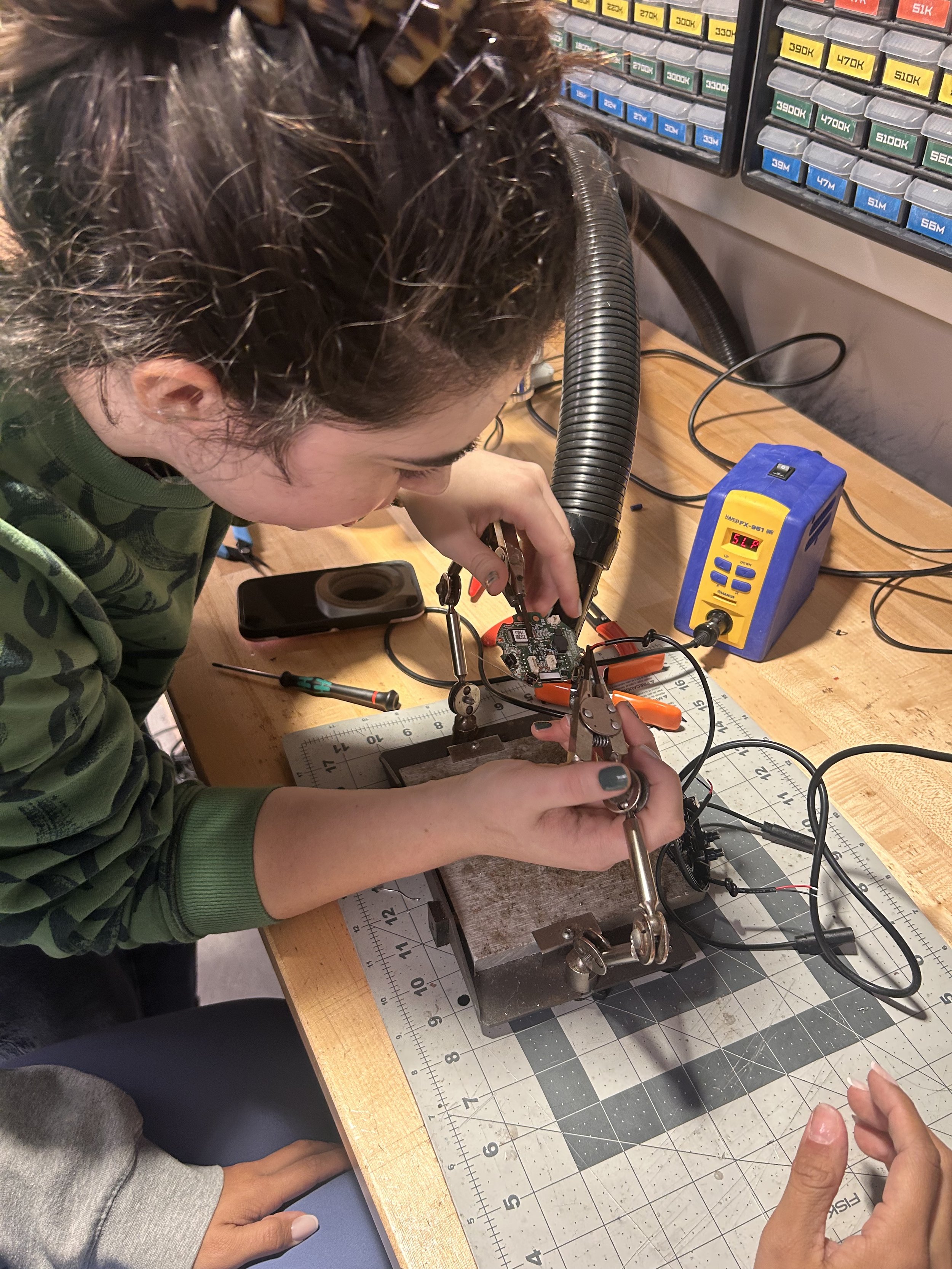
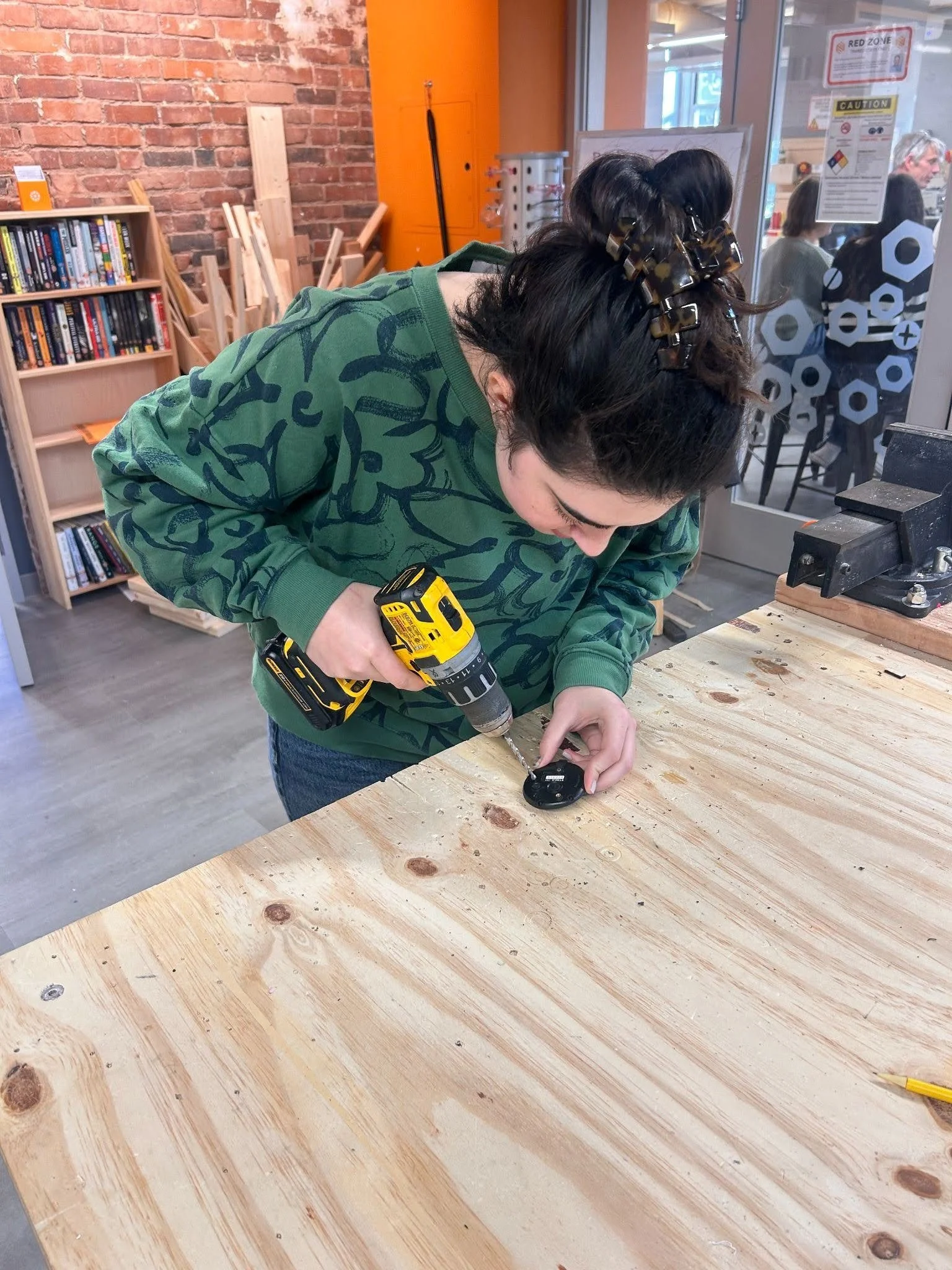
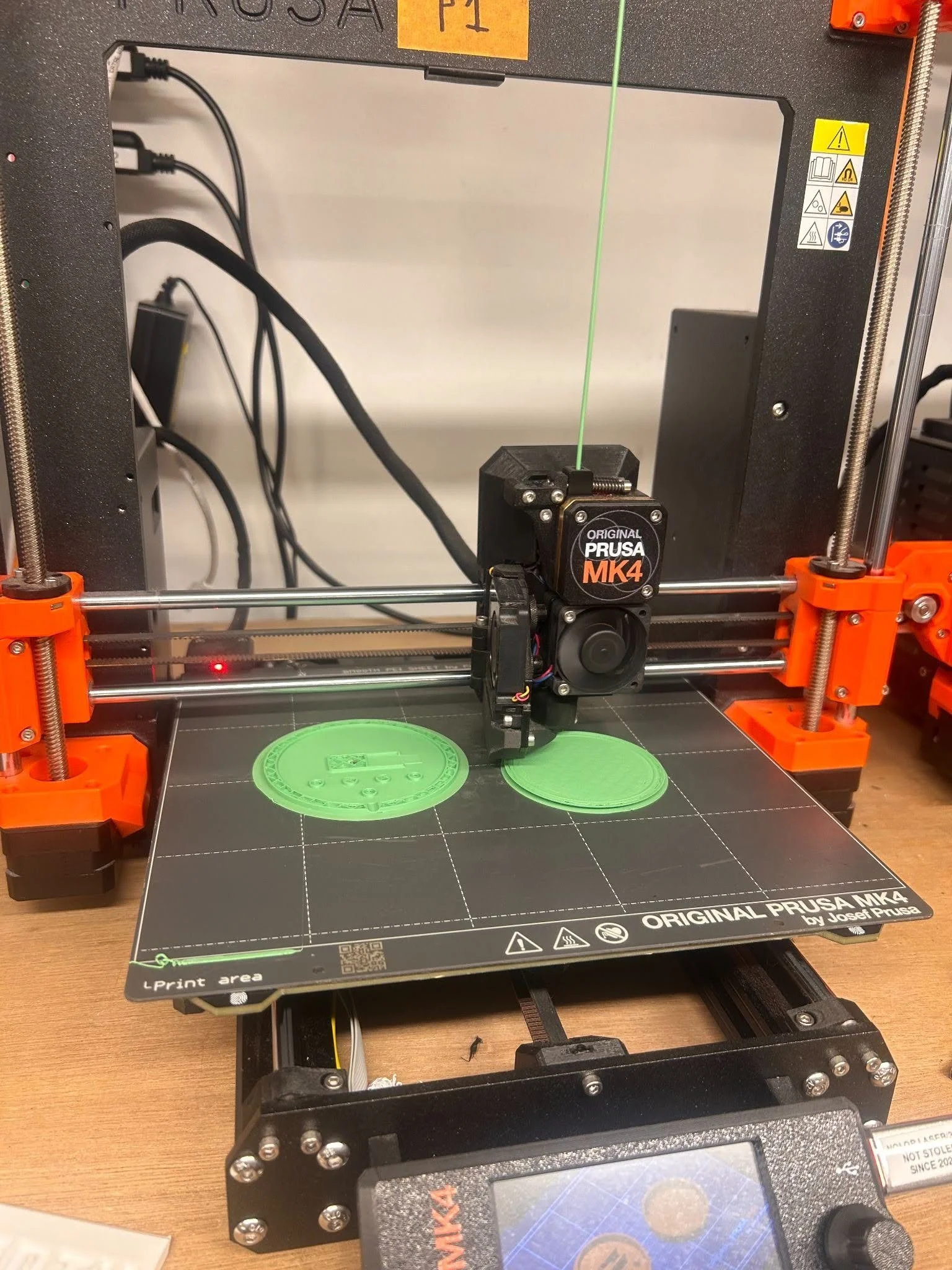
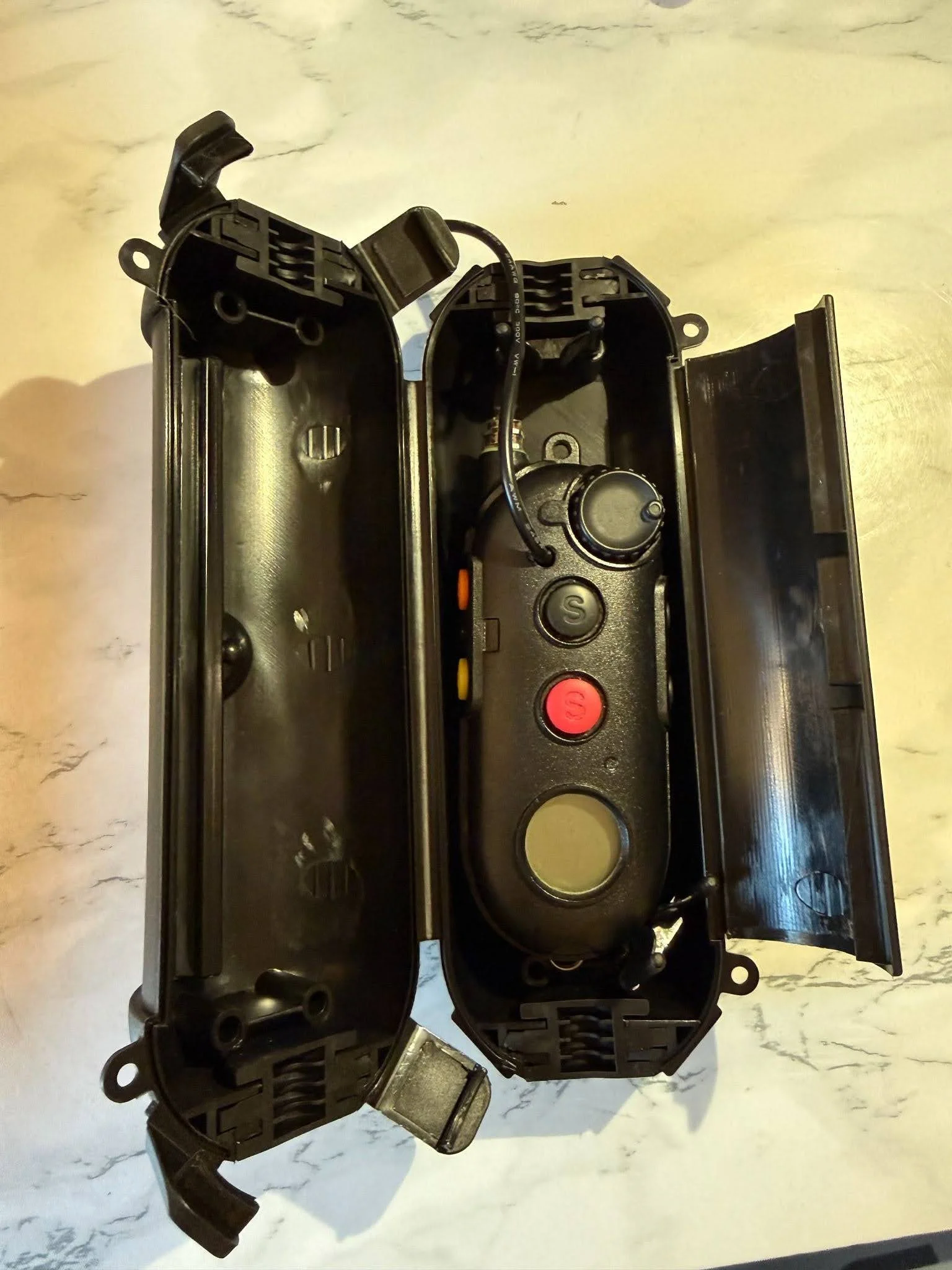
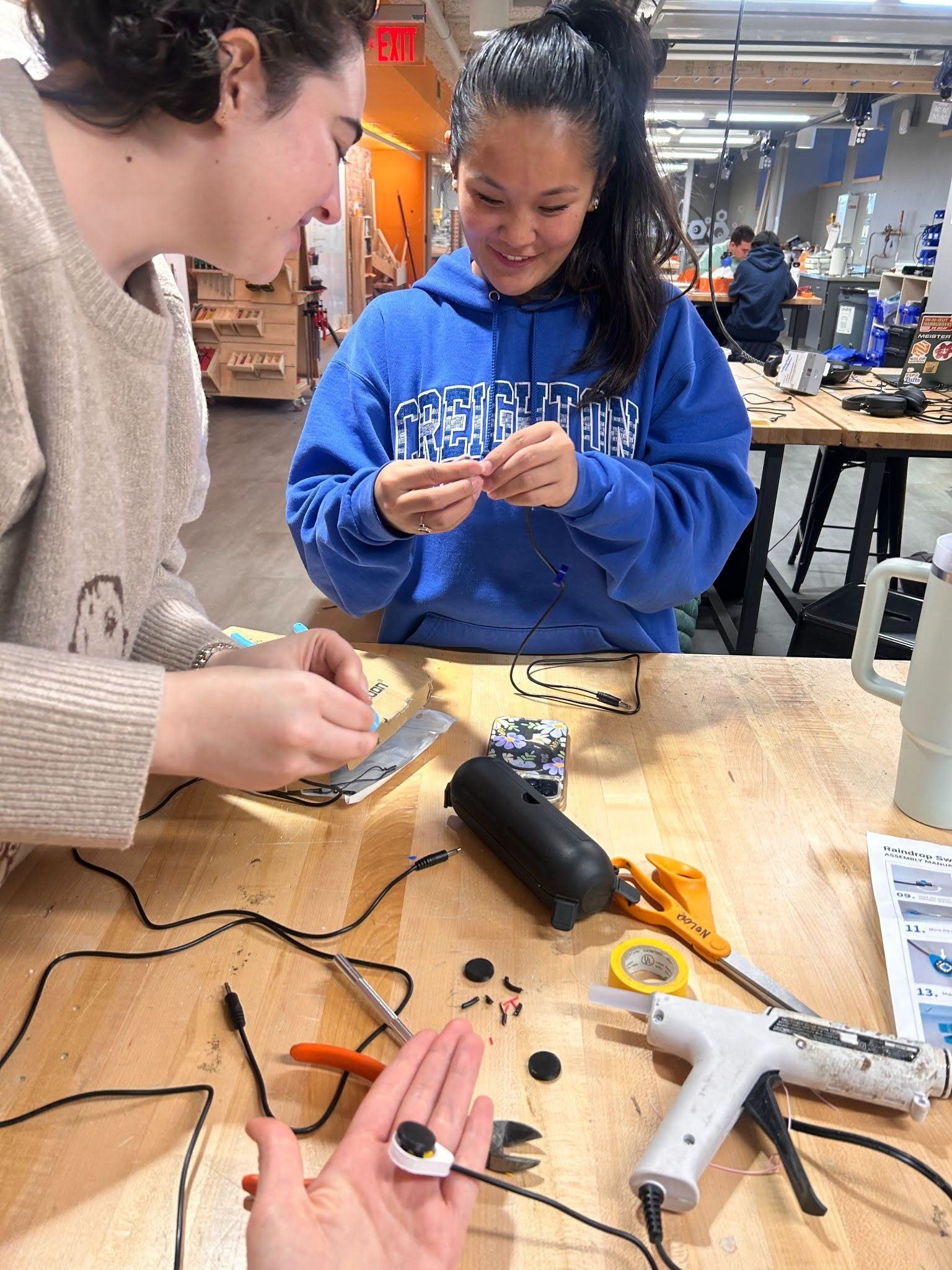
To validate our approach, we first modified test remotes before adapting the client's device. Through iterative prototyping, we reverse-engineered the remote, modified the circuitry, developed custom switch interfaces, and refined the design through electrical testing, troubleshooting, soldering, and 3D-printed components. Once validated, the final switch system was integrated into Will's remote.
Improvements Made
Following prototype testing and user feedback, we continued refining the system to improve durability, usability, and real-world application. This included:
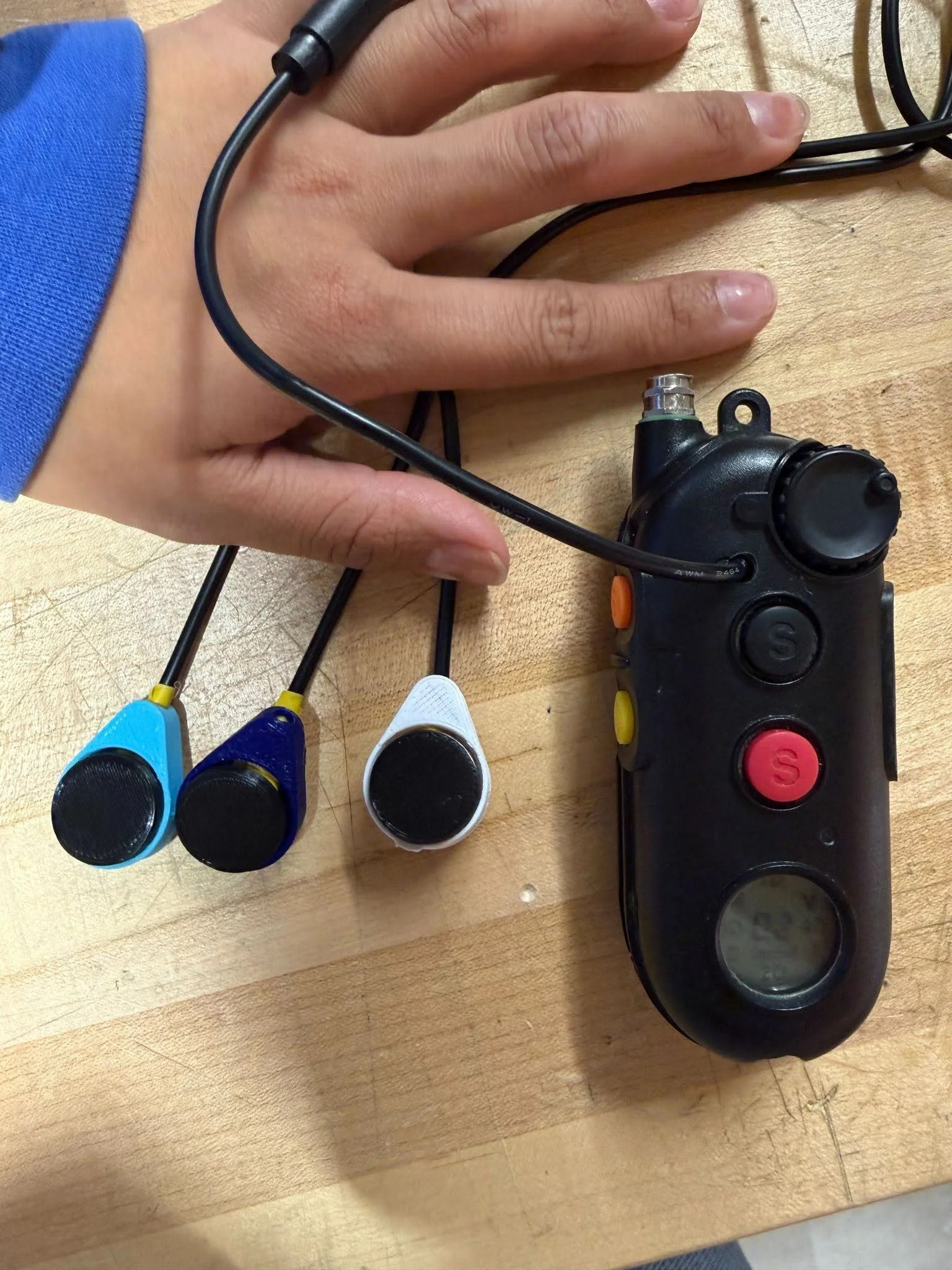
Developing smaller “raindrop” switches for improved portability and community use
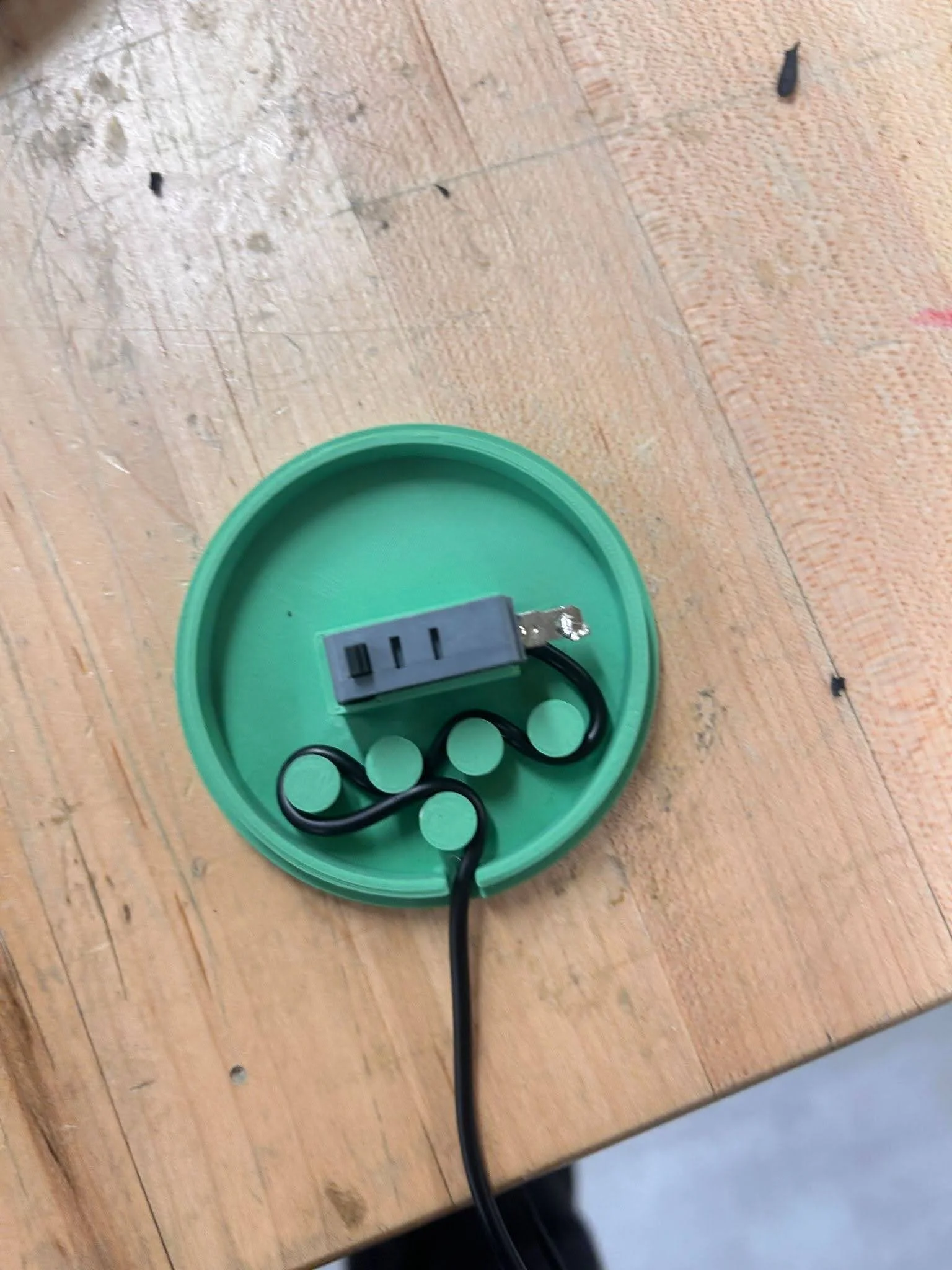
Adding weatherproofing to protect electrical components
Improving cable management and reducing tangling
Refining the switch configuration based on user preferences
Creating a switch adaptation guide to support future client adaptations by Ruff Translating
The final system provided Will with a more accessible way to independently operate his service dog’s e-collar while creating a repeatable adaptation process for future users.
-
Designed and delivered a switch-adapted remote that:
Provided access to all three required training functions
Reduced physical effort required to operate the remote
supported both home and community use
Included interchangeable switch options based on environment
Incorporated weatherproofing and improved cable management
To improve long-term impact, our team also created a detailed switch adaptation guide so Ruff Translating could replicate the process for future clients.
Solution in Action
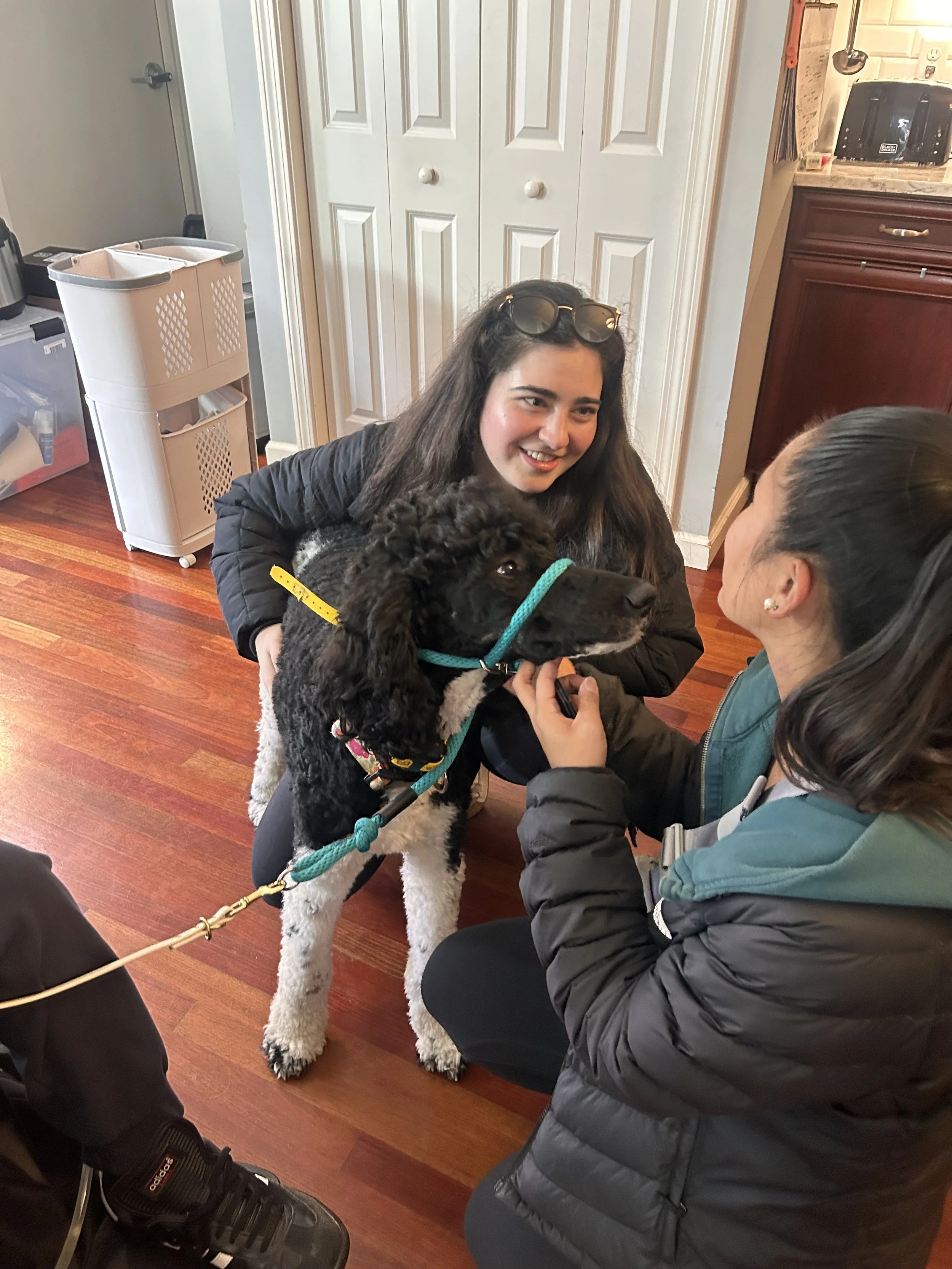
The first successful test of the switch-adapted remote, with the custom 3D-printed switches activating Atlas’s e-collar.
Will and Atlas test the completed switch-adapted system for the first time.
Feedback & Reflection
User Testing & Feedback
Core functionality: All three adapted buttons worked reliably and were easy for Will to press, fully meeting his primary need for independent, low-fatigue operation
Switch size: Will could operate the original larger switches, but noted they were more visible than he'd like for use in public settings
Durability: Internal components held up well, though the remote's inability to fully close raised concerns about long-term weatherproofing
Cable management: Loose cabling created tangling issues during early testing
Follow-up refinements: Based on Will's feedback, we developed smaller, more discreet "raindrop" switches, which he was able to operate easily and preferred for community use; we also added a weatherproof case and zip ties for cable management
Will described the final product as a meaningful step forward, noting the switches had already made a noticeable difference in training with Atlas
Reflection
This project strengthened my ability to integrate human factors engineering, systems thinking, and prototyping within a cross-functional team pairing HFE and occupational therapy perspectives. Working alongside two OT students meant constantly translating between two lenses on the same problem: their read on fatigue, positioning, and daily routines, and my read on what was mechanically buildable and prioritized usability. The strongest design decisions came from testing those perspectives against each other rather than working in parallel.
Beyond the technical work, I gained experience managing complex collaboration, navigating repeated design failures, and balancing accessibility, durability, and real-world usability throughout an iterative design process all while leading a small team. Several early prototypes failed outright: remotes that stopped powering on, connections too delicate to hold, and each failure meant returning to the same question of what would actually hold up for Will, not just in testing but day to day. That process extended past delivery: user feedback after the fact led to a second round of refinements, including smaller, more discreet switches and improved weatherproofing, to better fit how Will wanted to move through his daily life. The adaptation guide we produced alongside the final device was an extension of that same thinking, building something Ruff Translating could use to replicate the process for future clients, not just solve the problem once.